How to Get Brand Deals on Instagram
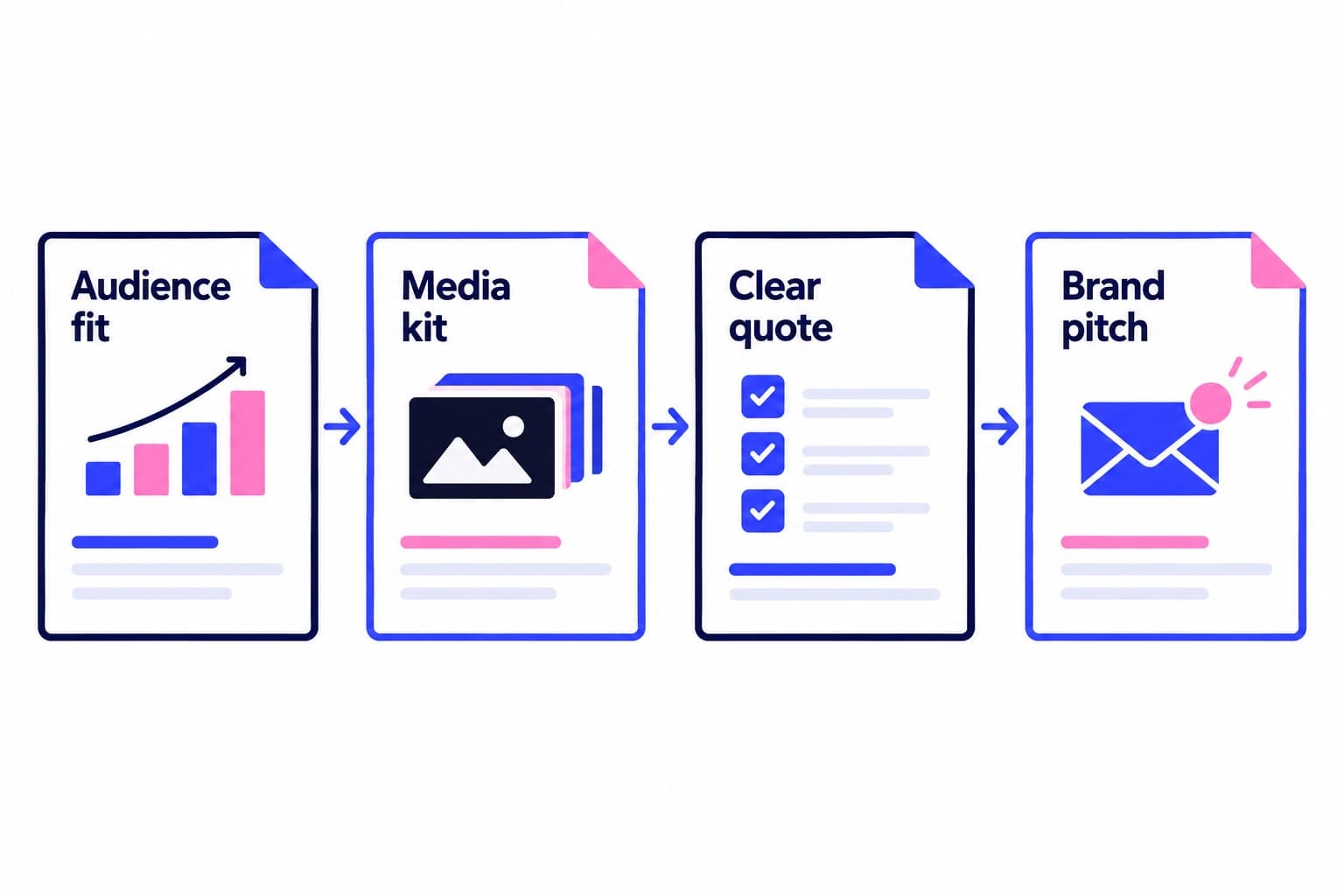
You can get [brand deals on Instagram](/blog/how-to-make-money-on-instagram) by matching your offer to your audience and showing relevant work. Start with a clear media kit, a defined quote, and a pitch the brand can act on.
NL Nora Lindell, Growth editor · Updated Oct 6, 2026 · 8 min read
Short answer
Start with brands that fit your niche, show dated audience and content results, and pitch a specific deliverable. Small accounts can offer paid content production before they have a large audience. Agree on fees, usage rights, and disclosure before creating the work.
How to get brand deals on Instagram at your audience size
I'd start with the offer, not a follower target. A brand can pay you to make content for its own channels, or pay for a post reaching your audience. Those are different purchases, and your pitch should say which you're offering.
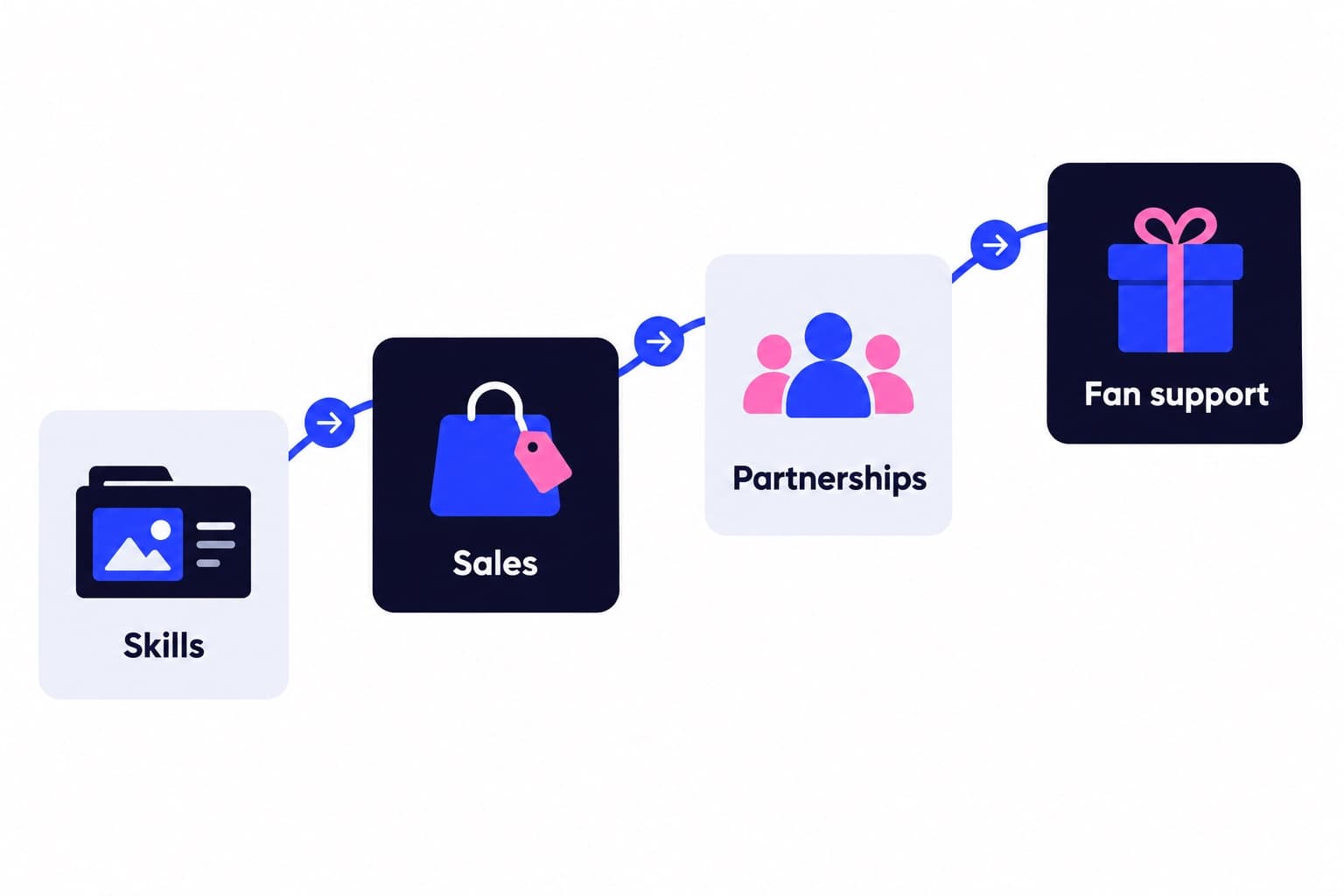
With little established audience, lead with production skills: product demonstrations, useful explanations, or strong photography. With an engaged niche audience, consider relevant sponsored posts or affiliate arrangements. Broader campaigns and retainers become easier to pitch when you can show previous results and dependable delivery.
Affiliate work pays commissions under the agreed terms. Gifted collaborations provide products or services, not cash. Don't accept a demanding production brief simply because the brand calls it a partnership.
These are practical stages, not eligibility bands. Instagram's Help Center separately requires an authentic, established presence and a sufficient follower base for branded content eligibility, alongside policy compliance. Platform tools and monetization access have their own requirements.
- Choose whether you're selling content production, access to your audience, or both.
- Make your profile's niche and contact information clear, with representative work easy to find.
- Collect relevant content examples and dated performance figures before approaching a brand.
- Pitch a defined deliverable rather than asking generally for a collaboration.
| Your starting point | Practical offer | What to show |
|---|---|---|
| Little established audience | Paid content production | Relevant creative samples |
| Small, engaged audience | Niche posts or affiliate work | Audience fit and engagement |
| Proven campaign performance | Campaigns or retainers | Results and reliable delivery |
What brands look at before your follower count
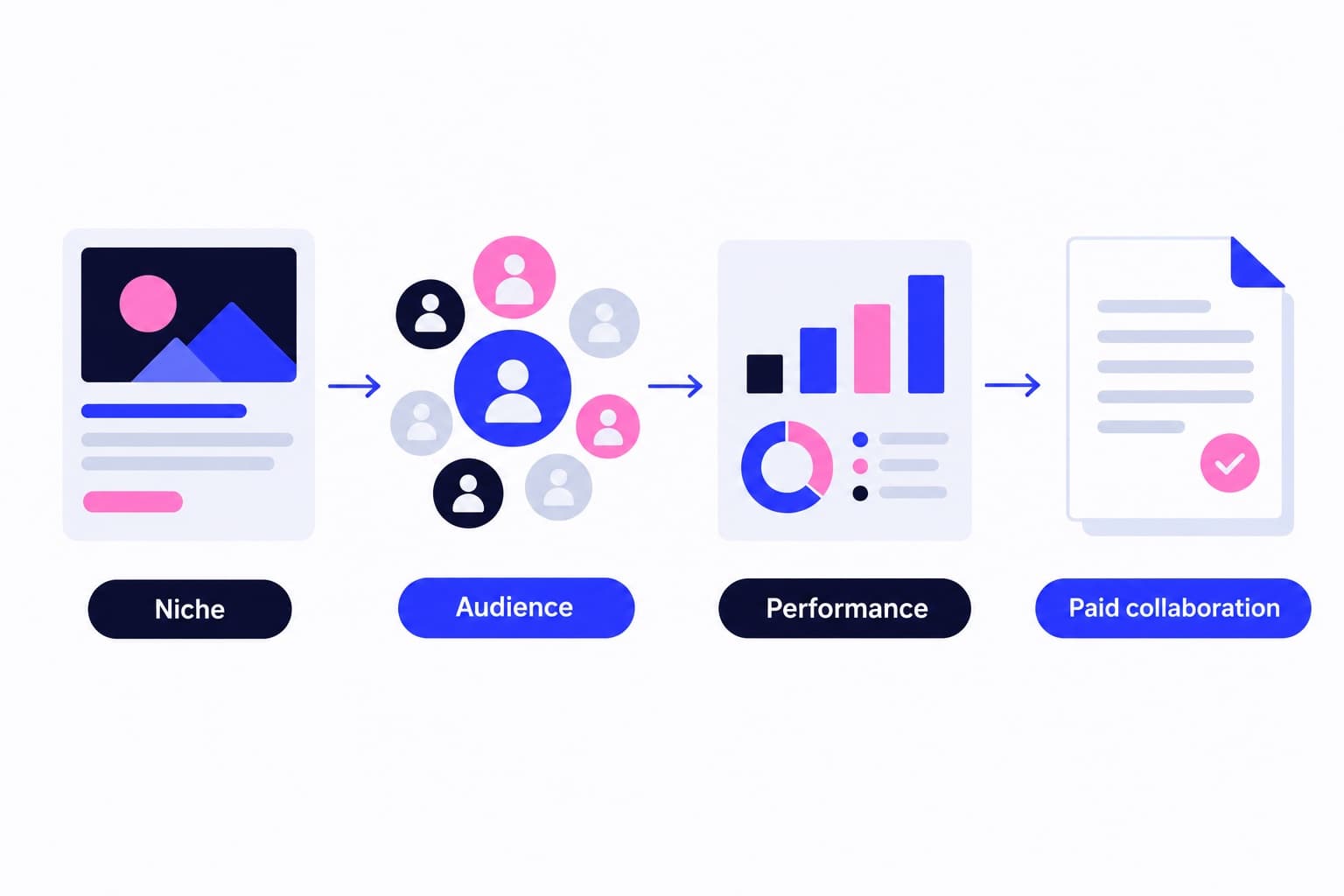
Brands need to know who you reach and why those people would care about their product. Your niche, audience location, demographics, genuine conversations, and relevant content matter alongside follower count. Professionalism shows up in clear communication and realistic commitments.
Use first-party figures. Instagram's Insights page says you can tap View insights beneath individual posts and Reels, or open Stories and swipe up or tap to view their insights. Use the timeframe dropdown for a preset or custom period, and tap the information icon for metric definitions.
Instagram distinguishes Views from Viewers: repeated displays or plays aren't the same as unique accounts. Its demographic breakdowns also have minimum audience requirements. If a breakdown isn't visible, report the figures you have rather than guessing who your audience is.
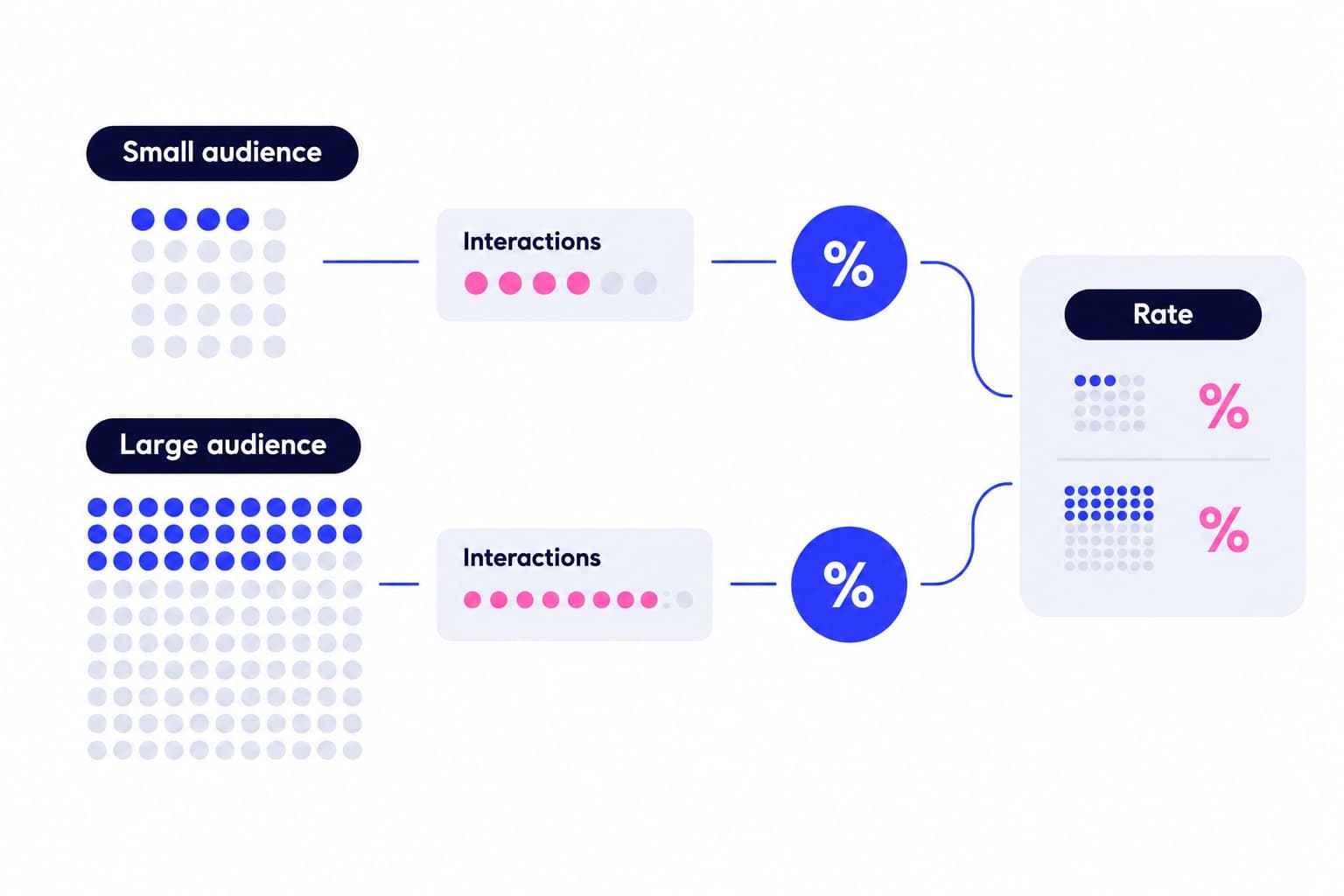
Use Ganicly's Instagram engagement rate calculator to estimate engagement as a starting point. Document the method and supplement it with Insights. An engagement rate based on followers answers a different question from one based on viewers or reach.
Build toward your next opportunity with content that demonstrates the product categories you want to work in. If reaching a targeted audience is your next priority, Ganicly's monthly Instagram growth plans promote your public profile at a steady daily pace and show daily numbers in a dashboard. If you're preparing a pitch, start with your existing evidence.
- Record the reporting period shown in Insights and keep the same period across comparable figures.
- Separate Reel, Story, and feed performance instead of combining unlike formats.
- Show typical recent results, with an exceptional post identified separately.
- Name your engagement-rate denominator and the interactions included in the calculation.
How is your account doing?
Enter a username. The free scan reads your public numbers and compares them with accounts your size. No login.
Build an Instagram media kit that proves your fit
Your Instagram media kit should make a brand's decision easier. Keep it concise enough to scan, with evidence beside your claims. A description such as “practical home organization content for renters” is more useful than “passionate lifestyle creator.”
You don't need previous sponsors to show relevant work. Include an unpaid demonstration, comparison, or tutorial featuring something you genuinely use. Identify it as an independent content example, not a past campaign.
Put context beside each screenshot or figure. Explain the content format, reporting period, and whether the result is typical or exceptional. A standout Reel can show creative potential, but it shouldn't stand in for your normal performance.
If you have campaign results, describe what was measured and what you delivered. Only claim sales or conversions when you have records supporting them and permission to share. I'd rather see a clear, modest result than an impressive claim with no explanation.
- State your niche, your audience, and the type of brand problem your content can address.
- Include current audience figures and available location or demographic breakdowns.
- Date your performance figures and explain the reporting window and calculation method.
- Link to representative content and list the deliverables you offer.
- Add contact information and permission-cleared testimonials or campaign results.
Set rates and define exactly what the brand gets
Build your Instagram rate card from the work involved. Account for concept development, filming, editing, props, travel, and administration, then consider the audience placement you're offering. A universal price per follower doesn't describe those costs.
Define the deliverable before quoting. For example, a product demonstration delivered to the brand is different from a demonstration published on your profile. List the format, required versions, deadline, approval process, and included revisions.
Your content fee isn't automatically a price for perpetual use. Specify where the brand can use the work and for how long. Price advertising use and exclusivity separately, with a named product category and duration rather than an open-ended restriction.
Instagram's partnership ad permissions page distinguishes content-level permission for specific content from broader account-level access. Discuss the requested permission before accepting it. Advertising permission belongs in the scope, not in a casual request after delivery.
Treat your rate card as a starting quote, not the final contract. Confirm the agreed fee, payment schedule, due date, expenses, and cancellation terms in writing. For gifted work, compare the requested effort with the actual value to you.
| Quote component | Define in writing |
|---|---|
| Content production | Planning, filming, editing |
| Audience placement | Posting to your profile |
| Licensing | Channels and duration |
| Advertising use | Paid use and permissions |
| Exclusivity | Category and duration |
| Revisions | Included changes and extras |
Find suitable brands and send your first pitch
Look for brands you can discuss credibly, not just businesses with large budgets. Relevant creator campaigns help you understand the content they commission. Creator marketplaces and influencer platforms are additional routes; review their fees, payment terms, and requested rights before applying.
According to Instagram's Creator Marketplace help page, access is for business and creator accounts, and the feature isn't available to every account. If Join creator marketplace is absent, continue with direct outreach. Participating brands can view information including average reach and follower count, and send Partnership messages.
Keep your pitch specific. For example: “Hi [name], I create practical meal-prep content for busy home cooks. Your storage range fits my recent content, and I'd like to propose a demonstration showing how it works in a packed fridge. I've attached audience details and relevant examples. Are you the right contact to discuss a paid collaboration?”
If there's no reply, send a brief follow-up that adds a useful detail, then move on. An interested reply is the start of negotiation. Ask about the campaign objective, budget, deliverables, timeline, licensing, and advertising use before turning the discussion into a written agreement.
Deliver the agreed work and report results at the agreed time using the same metric definitions as your proposal. Separate what you delivered from how it performed. If the partnership was a good fit, suggest a follow-on concept grounded in what the audience responded to.
- Shortlist brands whose products fit your content and audience, then review relevant campaigns.
- Find a partnerships or marketing contact through the brand's public website or profile.
- If available, open Professional dashboard, tap Branded content, then Join creator marketplace.
- Follow the joining prompts, review the information-sharing choices, and accept the terms if you're comfortable.
- Send a tailored idea, relevant examples, and a clear next step.
Disclose paid, gifted, and affiliate partnerships
Make the relationship clear wherever you recommend the product. Instagram defines branded content as content compensated with money or something else of value, including gifted products and services. Its Help Center requires the paid partnership label every time you post branded content.
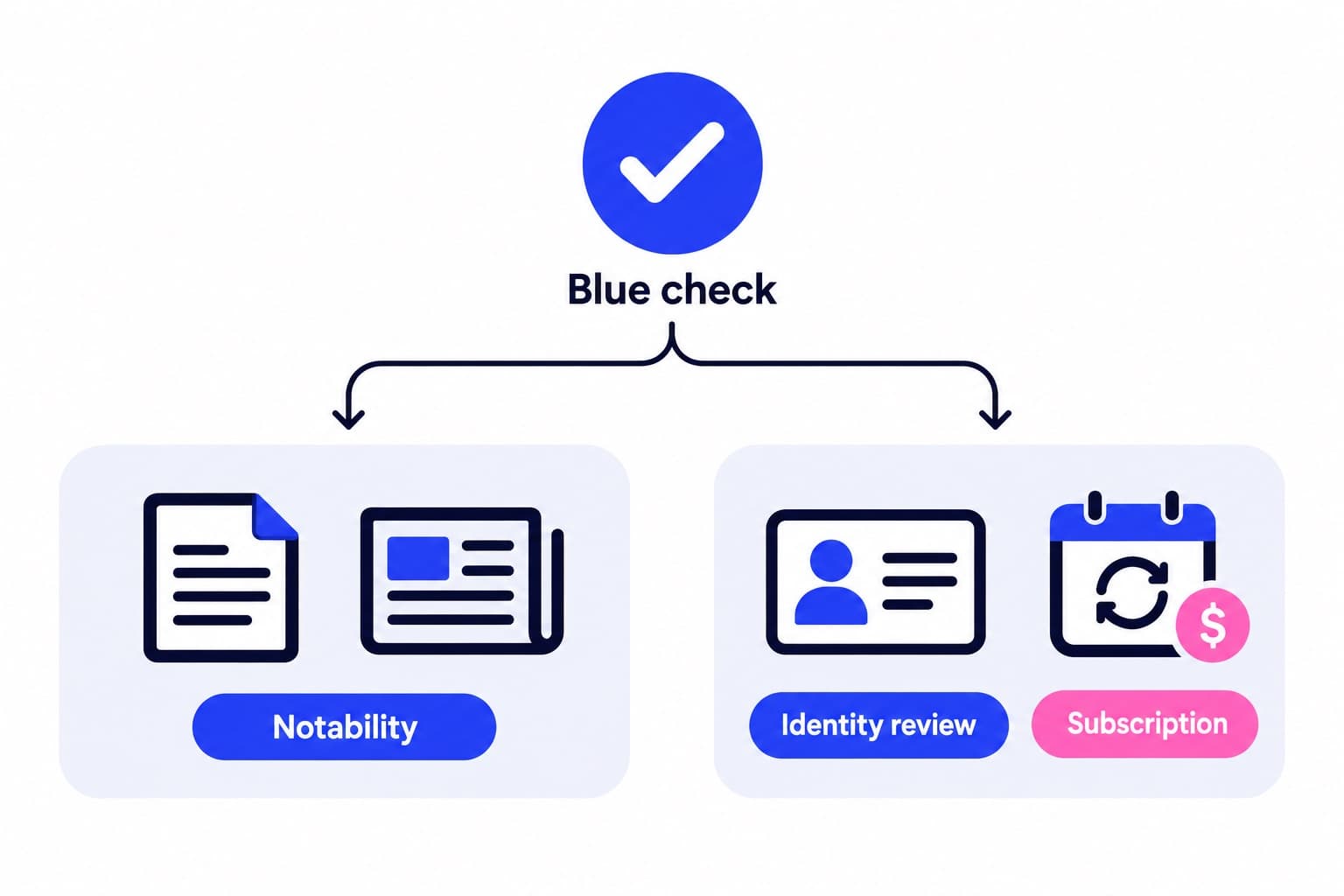
Enable the tools using Instagram's published path below. Eligibility includes compliance with its Branded Content Policies, Community Standards, and Content Monetization Policies. Check access before promising a labeled deliverable to a brand.
Instagram's label guidance says your partner's name appears in Paid partnership with after the brand approves your tagging request. Until approval, the label appears without the partner's name. Your brand partner must have a professional account.
Don't treat the platform label as your entire disclosure plan. For a US campaign, check current FTC guidance, and check your local regulator elsewhere. Use clear wording beside the endorsement: “Paid ad for [brand],” “Product gifted by [brand],” or “I earn a commission from purchases through this link,” as appropriate.
Place the explanation where someone encounters the recommendation: visibly on a Story, clearly with a post, or within a Reel rather than relying on profile text. Disclosure and advertising permission are separate decisions. Instagram requires an advertiser to have permission to run partnership ads using your handle.
- Open your profile in the Instagram app and tap Menu.
- Tap Business tools and controls or Creator tools and controls, then Branded content.
- Tap Set up branded content tools, then Enable if you're eligible.
- If you're not eligible, use the available option to request a review.
Pick a pace
Questions
How many followers do you need for brand deals on Instagram?
There isn't a universal follower requirement for a brand to hire you. Content production can depend more on your creative work, while sponsored posts also depend on your audience and performance. Instagram's branded content eligibility rules separately require an authentic, established presence and a sufficient follower base. Choose opportunities that match what you can demonstrate now.
How do influencers find brand deals?
Influencers find brand deals through direct outreach, relevant campaigns, creator marketplaces, and ongoing relationships with previous partners. Start with brands your audience would genuinely use, then send a specific content idea and supporting examples. Instagram's Creator Marketplace is another route for eligible professional accounts, with joining available through Professional dashboard and Branded content when the feature is available.
What is the 5-3-1 rule on Instagram?
Treat the 5-3-1 rule as informal creator advice, not Instagram's branded content eligibility standard. For partnerships, Instagram's Help Center requires an authentic, established presence, a sufficient follower base, and policy compliance. Put your effort into relevant content, genuine audience conversations, and a clear pitch rather than treating a numbered routine as a qualification for sponsorship.
What should an Instagram media kit include?
Your Instagram media kit should include your niche, audience information, dated performance figures, content examples, services, and contact details. Explain the reporting period and any engagement calculation you use. If you're new, show relevant unpaid product content rather than implying you have previous sponsors. Include testimonials or campaign results only when you have permission to share them.
How do I set up an Instagram rate card?
Build your Instagram rate card around specific deliverables, production effort, costs, and audience value. State what each starting fee includes, then price advertising use, licensing, exclusivity, and additional revisions separately. A rate card opens the conversation. Your written agreement should confirm the actual scope, deadlines, payment timing, and permissions before you begin the work.
Do gifted products count as paid brand deals?
Gifted products aren't cash payment, but they can make your content a branded partnership. Instagram's Help Center includes free products and services in its definition of compensation and requires the paid partnership label for branded content. Decide whether the gift justifies the requested work, and make the relationship clear rather than presenting the product as something you purchased independently.