Micro Influencer: Follower Count, Rates and How to Start
A micro influencer is a creator with roughly 10,000 to 100,000 followers on one platform, built around a clear niche, and on Instagram they typically [earn about $100 to $500](/blog/how-to-make-money-on-instagram) per sponsored post. I'll give you the tier and rate numbers brands actually work with, then the steps I'd follow to get into the range and land a first paid deal.
TB Tomas Brandt, Analytics writer · Updated Oct 6, 2026 · 6 min read
Short answer
A micro influencer is a creator with about 10,000 to 100,000 followers on one platform and a focused niche. On Instagram they typically charge $100 to $500 per sponsored post, and TikTok rates run from about $25 to $1,250 per video, depending on niche, engagement and usage rights.
Micro influencer follower count and typical rates
Most industry guides put the micro tier at 10,000 to 100,000 followers on a single platform. You'll find narrower definitions too, such as 5,000 to 20,000, so read each campaign brief for its own cutoff. Count each account separately: 6,000 on Instagram and 6,000 on TikTok is not a 12,000 follower creator to a brand buying one platform.
Here are the rates as well, since that's what you'll be negotiating. The TikTok column and the nano, macro and mega rows come from Meltwater's 2026 pricing guide; the micro Instagram figure is the range Influencer Marketing Hub and other rate guides agree on. All are per single post, before usage rights or extras.
| Tier | Followers | Instagram post | TikTok video |
|---|---|---|---|
| Nano | Under 10,000 | $20 to $100 | $5 to $50 |
| Micro | 10,000 to 100,000 | $100 to $500 | $25 to $1,250 |
| Macro | 100,000 to 500,000 | $5,000 to $10,000 | $1,250 to $2,500 |
| Mega | 500,000 and up | $10,000 and up | $2,500 and up |
How much micro influencers make per post
On Instagram, a feed post from a 10,000 to 100,000 follower account usually lands between $100 and $500. Influencer Marketing Hub's 2026 guide puts it at $100 to $500, with niche and engagement deciding where you land in that band. Reels tend to price a bit above a static post, Stories a bit below.
TikTok is the wide one. Meltwater's range for 10,000 to 100,000 followers runs from $25 to $1,250 per video, because a TikTok deal can be a quick reaction clip or a fully scripted piece with several rounds of edits.
I use one sanity check before quoting. Add up the hours a piece really takes, from concept to posting, and divide your price by it. If a Reel takes five hours and you're quoting $150, you're working for $30 an hour before the brand has asked for a single revision. Then price the extras on top:
- Usage rights: the brand running your video as an ad. Charge per month of use.
- Exclusivity: not working with competitors for a set period.
- Bundles: a Reel plus three Stories is usually cheaper per piece than three separate deals.
- Performance deals: some brands pay per sale or click through an affiliate link instead of, or on top of, a flat fee.
How is your account doing?
Enter a username. The free scan reads your public numbers and compares them with accounts your size. No login.
Why brands keep hiring smaller creators
Brands like the micro tier because the audience is narrow and the price per post is low enough to hire several creators at once. MediaPost cites HubSpot's 2022 research finding that micro-influencers were the most popular type of influencer used by marketing professionals. A camping brand would rather pay five outdoor creators $300 each than one lifestyle star $1,500 for a post their audience scrolls past.
What brands filter on first is the follower range, then engagement, then fit. That order matters for you: creator marketplaces let brands set a following-size filter when they target a campaign, so until you pass the cutoff a brand sets, you won't appear in its micro search.
How to become a micro influencer in five steps
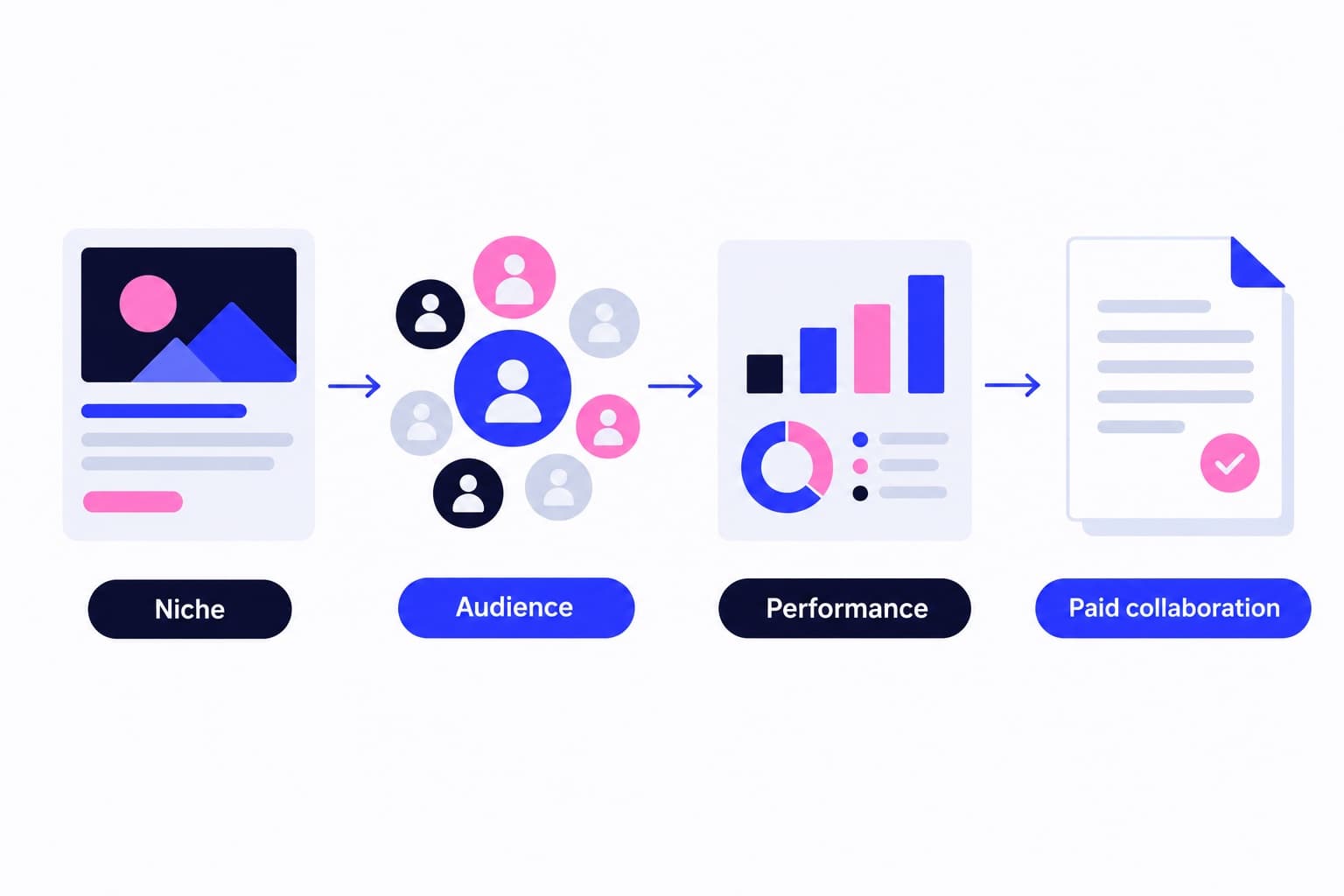
Here's the order I'd work in if I were starting from a few thousand followers today.
- Pick a niche you can describe in one sentence, like budget meal prep for students or home espresso gear. Brands search by topic, so vague accounts get skipped.
- Post on a schedule you can keep for six months, with Reels as the lead format. Check where you stand with Ganicly's free profile scan.
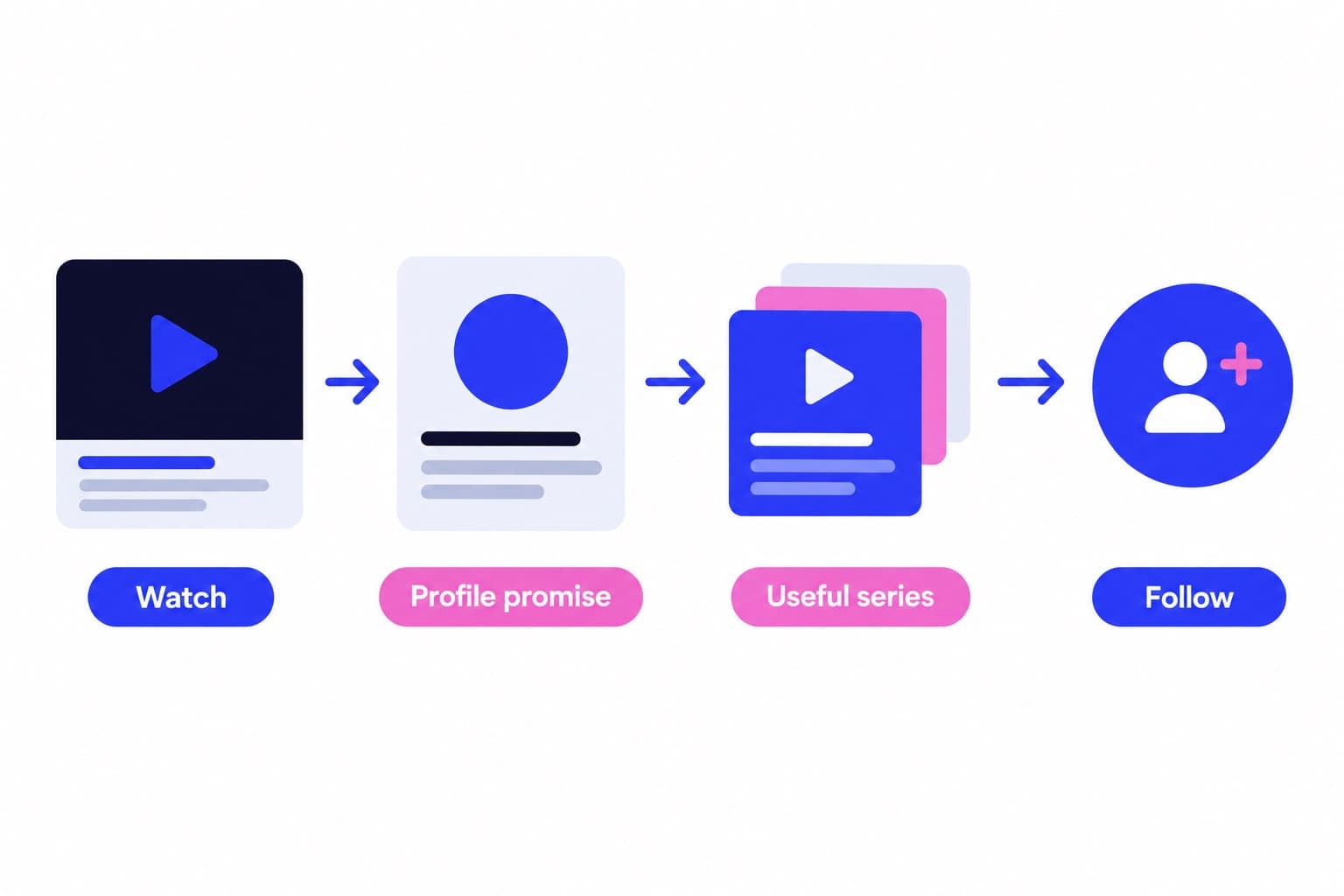
- Grow past 10,000 on purpose. Ganicly's monthly Instagram growth plans promote your public profile to an audience you define (niche, country, age, language) at a steady daily pace, while your content does the converting.
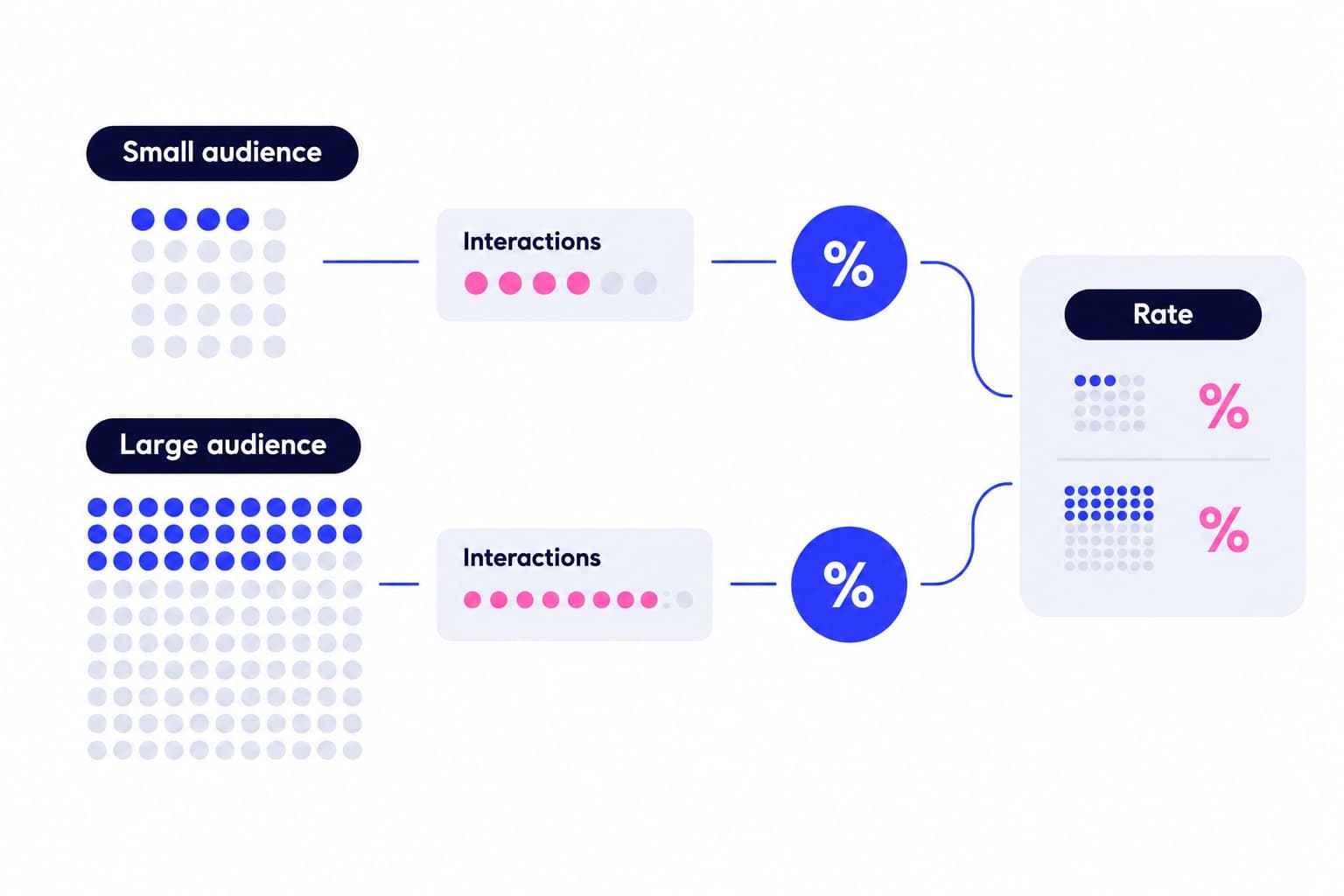
- Know your engagement rate before a brand asks. Run your handle through the Instagram engagement rate calculator and note the period it covers.
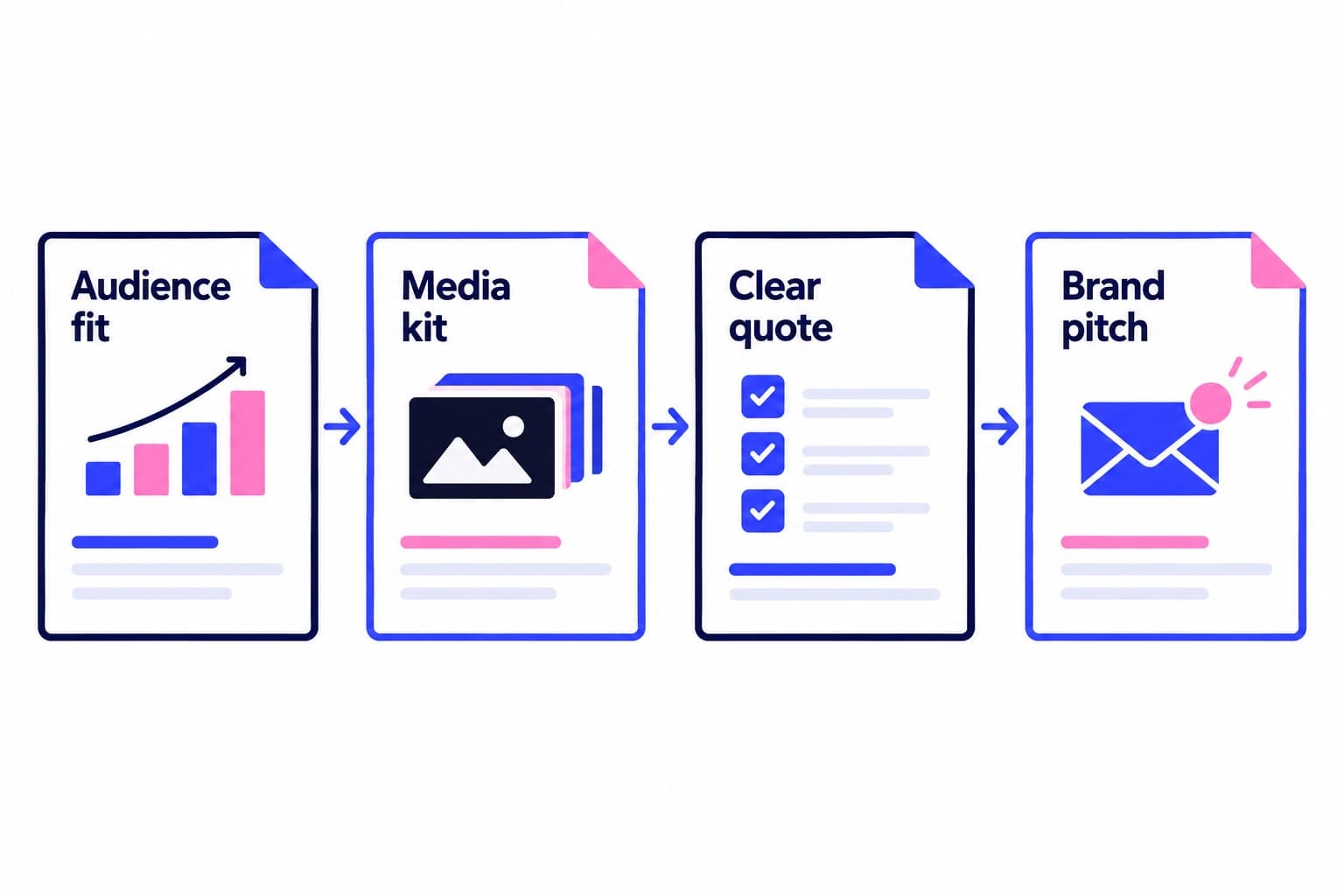
- Build a one-page media kit: niche, follower count, engagement rate, audience age and location, three best posts and your rates.
Pull the numbers brands ask for from Instagram Insights
You need a public account to see insights. On instagram.com, select Dashboard from the left-hand menu. With a professional account, choose Insights under For professionals; with a personal account, choose Your dashboard under Your insights and tools. From the Insights drop-down, pick Account or Content, then set the date range to the last 7, 14, 30 or 90 days.
Audience demographics only appear once you've reached or engaged more than 100 accounts in the chosen period, and they use preset time frames. If Last 7 days comes up empty, switch to Last 30 days. I screenshot the 30 day view for the media kit and write the dates on it, because the first question a good brand manager asks is when those numbers are from.
A pitch email that gets replies
Short and specific wins. Here's the template I'd send, filled in for a coffee creator:
Subject: Reel idea for your new grinder, 42k home espresso followers
Hi [name], I run @[yourhandle], 42,000 followers who are mostly 25 to 34 and in the US. I'd like to make a 30 second Reel comparing your new grinder against the one my audience asks about most. My last three gear Reels averaged 4.1% engagement over the last 30 days. Rate for one Reel plus two Stories is $450, with 30 days of usage rights available on top. Media kit attached. Would a test post this month work for you?
Swap in your own niche, numbers and idea. Always give the date range for your stats and one concrete content idea; a generic "let's collaborate" email rarely gets an answer.
Before you post: agreement and disclosure
Get the deliverables, deadline, number of revisions, fee, payment date, usage rights and exclusivity in writing, even if it's just an email both sides confirm. On Instagram, a paid post or a post in exchange for free products counts as branded content, which means you tag the brand with the branded content tool, with their prior permission, and add any disclosures your local advertising rules require. A gifted product is a fine first step, but quote a cash fee as soon as your numbers support it.
Pick a pace
Questions
How many followers do I need to be a micro influencer?
You need about 10,000 followers on one platform, and the tier runs up to roughly 100,000. Some agencies use a lower cutoff like 5,000, so check each brief. Count platforms separately, because a brand buying an Instagram post is paying for your Instagram audience, not your combined total, and pair the number with a current engagement rate when you pitch.
What is a macro influencer?
A macro influencer is a creator above the micro tier, usually from 100,000 followers up to around 500,000 or 1 million, depending on whose definition you use. They reach a broader audience and charge far more: Meltwater's 2026 guide puts Instagram posts at that level at about $5,000 to $10,000. Brands pick them for reach, and micro creators for niche focus and price.
How much do micro influencers make?
Most micro influencers earn about $100 to $500 per Instagram post and anywhere from $25 to $1,250 per TikTok video. Monthly income depends on how many deals you close, so a creator doing four $300 posts makes $1,200 that month. Usage rights, exclusivity and affiliate commission can add meaningfully to a single deal.
Do micro influencers get paid?
Yes, many are paid in cash, though early deals are often gifted products or affiliate commission instead. Instagram treats both money and free gifts as an exchange of value, so either way the post is branded content and needs the branded content tool. Once you can show steady engagement and a clear niche, ask for a flat fee.
How do I become a micro influencer?
Pick a narrow niche, post on a steady schedule with Reels first, and grow past 10,000 followers so you show up in brand searches. Then track your engagement rate, build a one-page media kit from Instagram Insights, and pitch brands with a specific content idea and a clear price rather than a general request to collaborate.
Why do Gen Z like influencers?
Gen Z tends to trust relatable, everyday creators more than polished celebrity content, and that preference is a big reason micro influencers win deals with younger audiences. A smaller creator who answers comments and shows products in real use feels like a recommendation from a friend. If you're pitching a Gen Z brand, lead with your comment activity, not just reach.